Low Back Pain and Pelvic Balance Massage Therapy

It wasn’t there, and then rather suddenly, it was. Low back pain. Severe. Sharp. Scary.
In my case, the pain started in my left low back when it was most severe. It subsided, and I thought I was in the clear. Within days, it moved to my right side and started sending pain into my right buttock. I was afraid it was a bulging disc, but because the pain was intermittent, I figured it was a pinched nerve. This was confirmed by an X-ray.
I knew what had contributed to it. My massage therapist had been treating my iliacus muscles instead of my psoas muscles despite my requests. I didn’t want to damage her pride, so I neglected to suggest she move medially to get onto the correct muscle in the course of two sessions. I am not blaming my massage therapist for my low back pain. Several factors contributed to it over the years such as my poor posture when I sit. However, I was very overdue for quality psoas work, and I wonder if having that treatment would have spared me the episode.
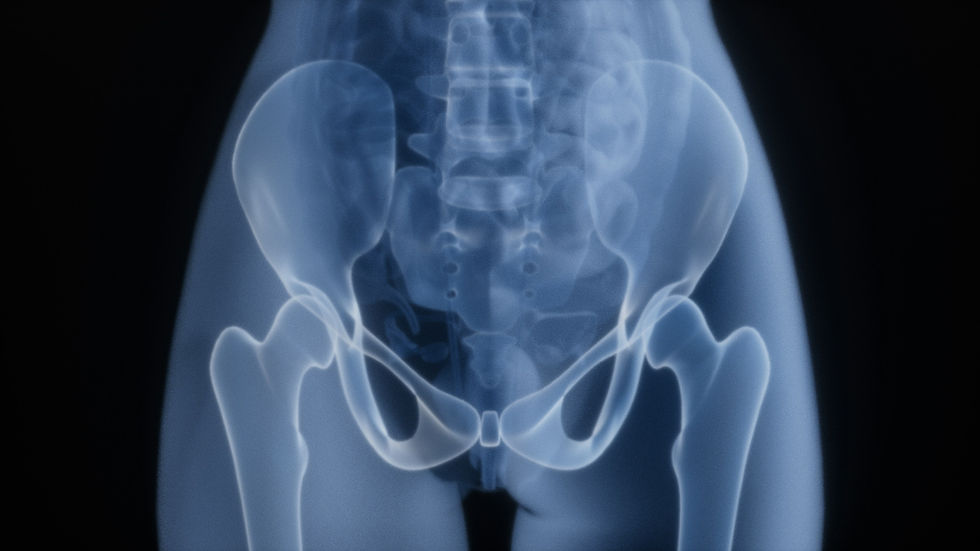
The psoas is a hip flexor muscle deep within the abdomen. It attaches to the side of the spine, dips into the cavity of the pelvis and attaches at a high point on the femur. The psoas helps you to raise your leg so that you can walk. It merges with another muscle called the iliacus which lines the inner bowl of your pelvis. That muscle acts similarly to the psoas, but the psoas is the workhorse of leg flexion at the hip joint. Ideally, both should be treated for people who sit for long periods of time or who overuse the muscles by biking or running. Trigger points in the psoas muscle are known to refer pain to the low back and sometimes to the anterior thigh.
When the psoas muscles are ignored and allowed to get tight (there are two; a left and right) they will pull the pelvis down in the front which can then cause the low back to curve too much (go into hyperlordosis). Any nerves that might be in the way can get pinched which is what sends pain to the buttocks. This is likely not classic sciatica, but many people jump to that conclusion.
Quadriceps (muscles in the anterior thigh) are also hip flexors making them synergists with the psoas (muscles that perform the same function). Therapists massage quads regularly and they are important, but few are eager to work the psoas muscles due to little or no training or lack of practice. Working one but not the other is like brushing only half your teeth. What is left to remain tight will cause the synergists to tighten back up within days if the causal factors continue.
Severe low back pain from herniated or bulging discs cannot be mitigated by loosening hip flexor muscles. However, less-severe episodes of back pain can be prevented and treated with regular massage therapy of the lower body. The following muscles should be worked as standard protocol for people who are at risk for low back pain:
psoas/iliacus – can pull the pelvis into anterior tilt when tight quadriceps: rectus femoris /intermedius – same as above quadriceps: vastus lateralis/medialis – can cause the pelvis to tilt down left or right when tight adductors – same as above lateral rotators (i.e. piriformis) – can cause the pelvis to twist to left or right when tight hamstrings – can pull the pelvis into posterior tilt when tight quadratus lumborum – can cause the pelvis to tilt up left or right when tight
If your therapist is only working the fronts and backs of your legs (quads and hams) it is likely not enough treatment to prevent an episode like mine. Seek a therapist who is qualified in therapeutic, clinical-grade massage therapy. In addition to psoas work, it is important to periodically side-lie clients (put them on their side) in order to work the inside and outside of thighs (adductors and vastus medialis/lateralis) and the side-accessible QL's. These muscles may contract to attempt pelvic imbalance correction, and end up creating problems of their own.
Something you can do at home is to strengthen your glute medius muscles. They are at the top of your buttock region, just below the iliac crests. These muscles are hip extensors, making them the functional opposites of your psoas muscles. If these muscles are weak, they are helpless to come to the rescue by attempting to pull the pelvis back into alignment out of forward tilt.
Stand on the bottom stair of your staircase and hold the hand rails for stability. With your toes hanging over the last step, take one heel and push it against the front of the stair behind you and hold for 5-10 seconds. Then repeat with the other foot. You will feel your glute muscles contract just below your low back. You can also do glute bridges which may help to relax the psoas muscles via reciprocal inhibition. Avoid cobra poses as that further compresses the lumbar spine resulting in possible facet jamming. Stand frequently during the day to decrease load on the L5-SI junction (by sitting for long periods) which a major causal factor of low back pain cases.
There is never a good time for your low back to go on strike. If you know that you are prone to low back issues or the amount of time you sit is worrying you, consider doing more than stretching or visiting a chiropractor. Qualified therapeutic massage therapy can release trigger points, help balance the pelvis, and relieve muscle tension involved with excessive forces on the lumbar spine. In cases of muscularly-induced low back pain, there is hope for relief caused by the cumulative trauma of life.
Emily Hagen CNMT, BCTMB Board Certified Neuromuscular Therapist


Comments